Childcare looks tranquility from the exterior: finger paint, early morning tracks, nap mats in neat rows. Up close, it moves fast. A young child coughs hard after a grape, a young child trips and drives a tooth into a lip, a baby's breathing goes quiet for a beat also long. In those limited windows, a carer's training programs. I have actually enjoyed confident teachers transform a near-miss right into a non-event since their first aid and CPR skills were existing, practiced, and adjusted to children's demands. This article sets out what's needed, what's wise, and what experience teaches you to do when it's your turn to act.
The regulatory standard and what it implies in practice
Most jurisdictions call for a minimum of one teacher with existing first aid and CPR training to be present whenever youngsters are on website or off website. Rules vary: some mandate a certain first aid course that covers children and babies, some call for asthma and anaphylaxis training also, and several expect every manager to hold an existing first aid certificate. Due to the fact that legislations vary state by state and country by nation, supervisors need to map requirements to their setup and keep written evidence on file.
Compliance is not a paperwork exercise. Moms and dads ask about it. Assessors do examine dates on certifications. A lot more notably, emergencies do not wait for the "experienced individual" to return from lunch. In well-run solutions, the majority of or all personnel hold first aid and CPR certificates and maintain a functional rhythm of refresher courses. That constructs redundancy and rates the response during day trip, late pick-ups, and split classrooms.
If you are picking a service provider for your first aid training, seek two points beyond regulative tick-boxes. Initially, pediatric content that matches your age groups, not simply grown-up care folded up into a generic module. Second, hands-on practice with devices you really make use of: infant and child manikins that replicate upper body recoil, sugar pill epinephrine auto-injectors, instructor inhalers and spacers, and child-sized bandaging and splinting products. Class time issues, yet time on job matters more.
What "first aid and CPR" indicates in a childcare context
The expression brings more meaning when you break it right into the abilities that save minutes, then lives.
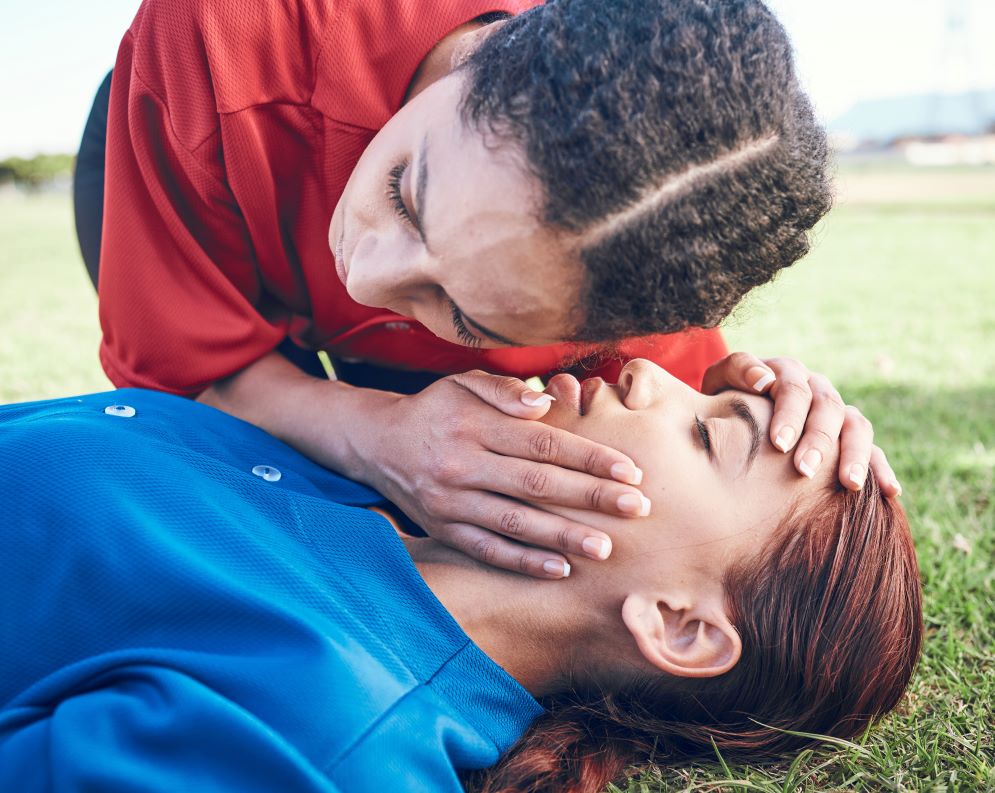
Pediatric CPR is various from adult CPR. Compressions are shallower for babies, much deeper for bigger children, and hand placement changes. Air flows are gentler, supplied over about a second, and strategy changes based on dimension: 2 fingers on the breast bone for babies, 1 or 2 hands for older children. The ratio of compressions to breaths likewise varies relying on whether you are alone or have a 2nd rescuer. Quality CPR remains the very same core: press hard, push quick, allow complete breast recoil, and decrease stops briefly. Exercise on child and infant manikins corrects pressure, speed, and hand positioning, and it subjects just how quickly tiredness establishes in.
Choking monitoring also diverges by age. Back blows and upper body drives for babies under one year, abdominal thrusts for older kids who are aware and not able to cough. Recognizing when coughing is effective, when to change approaches, and how to support the air passage after an obstruction removes can be the difference between a frightening moment and a misfortune. Sensible role-play assists staff review the signs: silent cry, cyanosis around the lips, weak cough, panic eyes.
Asthma and anaphylaxis rest high on the threat graph in early youth. These problems advance promptly and react well to trigger action. Bronchial asthma methods stress reducer medicine with a spacer, calm mentoring, and review every couple of mins. Anaphylaxis standards are unambiguous: give epinephrine initially when signs and symptoms entail breathing, circulation, or considerable swelling, then call emergency solutions, after that take into consideration adjuncts like antihistamines and inhalers. Training that drills the series lowers reluctance. In my experience, the hold-up usually originates from uncertainty, not lack of accessibility. The repair is regular practice with trainer auto-injectors and clear plan that backs staff to act.
Trauma care in childcare has a tendency towards head bumps, dental injuries, lacerations, strains, and the occasional fracture from play area drops. The ability isn't unique, it is technique. Check for risk, evaluate responsiveness, control bleeding with company direct stress, paralyze when suggested, and screen for red flags like vomiting, intensifying frustration, or transformed behavior. Tooth via lip? Control bleeding, clean carefully with saline if available, and refer. Avulsed irreversible tooth? Keep it moist in milk or saline and seek urgent oral care. Baby teeth are taken care of in a different way. The first aid course you choose should not skim pediatric trauma, because you will certainly make use of these protocols weekly.
Poisoning and burns are less constant yet lug weight. Toddlers discover with mouths and hands, and kitchen areas and art cabinets attract them. First aid training should cover the fundamentals of decontamination, cooling down burns with running water for a minimum of 20 minutes, covering with a non-adhesive clothing, and rapid rise for chemical or electrical burns, larger surface areas, or face and airway participation. Providers must also assist you examine your environment: tag cleaning fluids well, separate them from food locations, and utilize child-resistant storage space that is really locked.
Seizures can catch not really prepared teams off-guard. Straightforward febrile seizures are common, brief, and frightening. The appropriate response is mild: safeguard the head, clear close-by dangers, time the event, prevent placing anything in the mouth, and when it stops, put the kid in the recuperation position while you keep track of breathing. Extended seizures and known epilepsy require care plans and rescue medicine protocols if recommended. Excellent first aid courses instruct both the basic feedback and exactly how to navigate individualized strategies safely.
Choosing the appropriate course and provider
A first aid course is not just an appointment on a calendar. The right program balances criteria with realism, and it fits the means your service jobs. I try to find a company with a performance history in child care setups, not just corporate workplaces or public classes. That normally shows up in their tools, their instance examples, and their comfort responding to what-if inquiries particular to early years.
Ask especially whether the first aid and CPR course includes pediatric CPR for babies and children, choking relief for every ages, asthma and anaphylaxis, blood loss and wound treatment, head injuries, burns, fracture monitoring, poisoning, and seizures. If the provider provides different pathways, choose the one generally called "Supply First Aid" with pediatric modules or a designated childcare first aid course. If you see alternatives like cpr course just or combined first aid and cpr courses, comprehend the distinction. CPR training is crucial and need to be rejuvenated much more frequently, but it does not change broader first aid training.
Consider whether onsite training at your centre is possible. There are benefits. Personnel can practice in their actual spaces, with their actual first aid kits, AED locations, and doorways. They learn how long it takes to fetch an auto-injector from the workplace or an inhaler from a youngster's storage locker. They can role-play moms and dad handovers at your reception workdesk and practice radio hires your actual hallways. These information issue when secs feel slow.
Finally, review organizing and follow-up. A great carrier assists you plan a cpr refresher course cycle, with reminders before certificates expire. Numerous solutions put CPR on a 12-month turning and complete first aid on a 3-year turning, or whatever your regulatory authority requireds. If a first aid pro offers electronic certificates, confirm they note the web content covered and the analysis method. Some audits require proof of hands-on competency, not simply theory.
Building a training culture, not a single certificate
Paper credentials do not the only one produce a risk-free atmosphere. The most effective childcare teams weave first aid into regimens to ensure that skills remain fresh between official courses. If you supervise a solution, established a tempo for brief, scenario-based drills. 10 mins at a personnel conference can cover two most likely events. You can utilize a laminated scenario card: a child hisses after running, an infant is silent and drooping, a four-year-old is missing out on from the lawn, a kitchen area fire begins in a stove. Run the steps, check the devices, debrief rapidly. Team expand comfortable using their voices, appointing duties, and locating products without hunting.

Allergy and healthcare plans must live where https://rentry.co/3nwym9rd they are required, not just in a binder. Article discreet, up-to-date strategies in spaces where those children hang around. Train all educators to acknowledge those kids and their specific triggers and signs. Validate you have spare epinephrine auto-injectors if allowed locally, and that team know your plan on making use of a general pen when a youngster's own pen can not be reached in time. These situations are unusual, however your first aid training should talk with them explicitly.

When you upgrade policies, examination them. For example, if your anaphylaxis strategy needs 2 staff to come with a kid to the workplace for medication, act it out. Count the secs. Make adjustments if required, like placing a kit closer to the backyard or putting on a belt bag throughout outside play. When brand-new teachers sign up with, match them with a mentor for a walk-through of first aid stations, AED positioning, and emptying paths prior to their initial shift alone.
The gear that makes a difference
Facilities often buy impressive-looking first aid sets, after that find the components do not match their dangers. For child care, think less about quantity and more regarding feature. You require supplies that fit tiny bodies and small respiratory tracts, which support constant, everyday use.
A reputable AED with pediatric pads issues if you care for kids past infancy. Evaluation the maker's directions for pediatric mode and pad placement on tiny upper bodies. AED confidence grows with session utilizing an instructor that matches your model. Numerous centres position AEDs near the front desk and in the fitness center or biggest play area. Time your route with a quick walk and readjust if it takes greater than a minute.
For bronchial asthma, stock spacers and masks sized for preschoolers in addition to school-aged children. Train staff to construct them rapidly, coach slow-moving breaths, and rinse or change spacers according to make use of standards. Maintain a document of public spacer usage or aim for specific identified spacers if budget plans enable. Location fitness instructors in your staff area so that practice fasts and informal.
Epinephrine auto-injectors deserve redundant access. A central emergency situation kit works, but several centres likewise keep a class package throughout dish and outdoor times. Consider brilliant, quickly recognized containers and constant placement. Include instructors in the same kit type so practice never hold-ups action.
Dressings need to match tiny injuries. Supply extra little glue strips, butterfly closures, and non-adherent pads than bulky trauma products, yet do maintain a stress bandage, triangular bandages, and a splint service that fits a child's arm or leg. Include a tiny mirror to your kit for checking mouths and eyes, and saline ampoules for gentle watering. Thermostats that check out accurately and swiftly are worth the extra cost.
Documentation tools round out the kit. Maintain case record forms or a digital workflow that motivates for time, system, signs and symptoms, treatment, parent notice, and follow-up. Reliable first aid continues after the plaster, with responsible notes and clear communication.
What an excellent CPR response resembles with children
Real events never ever match the poster, however skilled responses adhere to a recognizable arc. An instructor notices a https://knoxnpaj123.fotosdefrases.com/first-aid-courses-near-me-how-to-locate-the-very-best-local-options quiet kid who was previously coughing hard after a treat. They come close to, identify choking with ineffective cough, and call for assistance while they start proper relief for the kid's age. The second employee recovers the emergency situation package and AED, and radios the workplace to start the exterior assistance telephone call. If the youngster loses consciousness, they lower to the flooring, look for breathing, and start CPR with top notch compressions and small, efficient breaths. An AED shows up, pads are placed, and triggers adhered to without delay.
The distinction in between a crisp action and an untidy one is not heroics. It is calm voice commands, early function assignment, and exercise with your real AED. If your first aid and cpr course provided you a mental model, keep rehearsing it till it is muscle mass memory: assess safety, check response, phone call for help, open airway, check breathing, start compressions, make use of the AED as soon as it gets here. Kid's bodies respond well to timely, good-quality CPR. Also if you are not excellent, doing the fundamentals well, quick, and continually provides the youngster the very best chance.
Managing the edge cases you only see once
Guidelines cover the typical course, yet child care throws the occasional curveball. A kid with a temporary mandibular fixation after dental surgery begins to retch. You can not open the mouth, so your first aid pro Rockhampton air passage monitoring relies on placing and careful suction if trained. One more child with breakable bone disease trips. You will be gentler moving and you will certainly ask an extra collection of hands for stabilization even if the fall seems small. A recognized heart child's monitor alarm appears during snooze and the area muffles. You fall back on the plan written with parents and specialists, however your core CPR training provides you confidence to act if the strategy claims so.
Children with intricate needs usually participate in mainstream solutions. Their households lug proficiency, and excellent services discover it. Add time in your first aid training sessions to review these care plans. An experienced teacher will certainly welcome the challenge, not prevent it. They will assist you map general skills to specific conditions and determine what need to activate a contact us to emergency situation services versus a call to parents.
Reporting, representation, and moms and dad conversations
The rescue is not the end. Moms and dads deserve clear, valid descriptions of what took place and what you did. Use simple language. Prevent reducing, and stay clear of dramatization. If you offered medicine, state the moment, the dose, and the child's feedback. If you started CPR, prepare the parent for what they will certainly see when they reach the medical facility, if pertinent. In my experience, moms and dads bear in mind tone and clarity. They do not expect you to be physicians. They do expect competence, honesty, and a willingness to evaluate what could be improved.
Internally, debrief every occasion, even the tiny ones. Ask what went smoothly and what got. Frequently, the repair is mundane: the spacer was in a cabinet under art products, the auto-injector's instructor looked also comparable to the real pen, the radio network was crowded, the first aid set had lacked saline. Appoint solutions with deadlines. Track them like any kind of other safety task.
Documentation safeguards the child and the centre. Incident types, medication documents, team statements, and, when appropriate, witness notes should be finished the very same day. Digital systems assist, however just if they motivate for the ideal professional information. Train personnel to compose unbiased notes, not assumptions. "Child coughed, after that became silent, lips turned blue, instructor provided five back blows" reviews in a different way from "Youngster choked a bit after that went limp, so I worried." Clarity now assists if the event is assessed later.
Refresher cycles: why timing matters
Skills decay. Researches reveal CPR compression depth and price drift within months without practice, and doubt creeps back for anaphylaxis if personnel have not pushed a fitness instructor pen recently. A lot of criteria advise CPR refreshers every 12 months at a minimum. In high-turnover environments, think about much shorter interior refreshers sustained by your training service provider. A cpr correspondence course need not take a full early morning. An hour of targeted method on compressions, air flows, AED usage, and choking alleviation can reset quality.
Full first aid courses are frequently valid for 2 to 3 years, depending on neighborhood policies. Even if your certification covers that span, your setup probably changes quicker. New devices, new team, updated clinical standards for hemorrhaging control or back activity restriction, brand-new allergic reaction profiles in your enrolment. Short, frequent, context-rich method beats long, seldom theory.
When you set up, startle sessions so your lineup constantly includes multiple current owners of a first aid certificate. Maintain an online register with expiration days and strategy cover for personnel who miss a session. Connect your timetable to foreseeable lulls, not the chaotic end of year. If your company supplies mixed knowing, appoint the online theory well prior to the functional, and advise team to complete it. The hands-on portion needs to concentrate on doing, not capturing up on reading.
Field trips, transport, and out-of-centre care
The real examination of preparedness happens when you leave the structure. Buses, parks, galleries, and pools transform your danger account and your accessibility to tools. The response is not to lug your whole supply cupboard. It is to construct portable, purpose-fit kits and specific roles.
Before leaving, validate head counts, clinical plans, and the area of important items like epinephrine pens and inhalers. Area at least one qualified educator in each sub-group, not all in advance with the lead. Validate cell protection along your course or lug a walkie-talkie system if you lose protection in specific parks. Agree on a rally point if the team have to split. These are preparing abilities, not medical abilities, however they make clinical responses possible.
On transport, consider seat belt cutters and obtainable first aid items, not locked in the under-bus storage space. If a youngster activates an asthma assault in the last row, can the instructor reach them swiftly and provide reducer securely while the chauffeur draws over? Rehearse that one prior to you remain in web traffic. Water excursions call for added care: drowning is silent, timelines are brief, and resuscitation positions a premium on effective ventilations. Select teachers with recent, top notch cpr training for these trips and place them at the waterline, not just in shade.
The human side of readiness
First help and cpr are human skills, not simply checkboxes. People freeze, others chat excessive, a few take control of. None of that makes someone negative at their task. It makes them human under pressure. Training that recognizes this functions much better. Construct room for emotions in debriefs. Instruct staff to use short, clear expressions. Technique swapping lead functions mid-scenario. Applaud good synergy audible to be heard.
New teachers commonly are afraid "doing it incorrect." Address that straight. The most awful end result in heart attack is not incomplete compressions. It is no compressions. The most awful result in anaphylaxis is not making use of epinephrine too early. It is waiting as well long. Speak those realities commonly. They open action.
Sr. instructors should also defend against complacency. 10 silent years can melt in one mid-day. Stay curious. When standards alter, read the rationale. For instance, hemorrhaging control has actually developed with more powerful recommendation of straight stress and hemostatic dressings in some contexts. AEDs have actually ended up being easier and more forgiving. Choking methods are the same in principle yet nuanced in technique. A good first aid pro will certainly flag updates during refreshers and help you adjust without drama.
Where first aid training fulfills wider safety
Good first aid does not change avoidance. It informs it. If you take care of frequent journeys and drops on a specific corner of your yard, check out emerging and guidance angles. Routine nosebleeds after roughhousing might trigger a brand-new game plan for indoor energy breaks. Repeated food-allergy near misses out on after shared birthday celebration deals with need to change plan to more secure events. Utilize your case logs as a map, not a filing cabinet.
Still, even in the most safe settings, you will certainly require the skills. Kids take dangers as they discover. Bodies respond unexpectedly to new foods and new temperature levels. Viruses sweep via spaces and pick the vulnerable. When you have staff that practice and believe, households feel it. They hear it in your handover stories and see it in your tranquility during the uncommon true emergency.
Making the dedication visible
Parents trust what they can see. Blog post your first aid and CPR training status where it belongs, with personal privacy taken into consideration: a straightforward indication near function noting that all instructors are learnt first aid and cpr, that CPR training is rejuvenated yearly, which your AED area is [below] Share highlights in your e-newsletters when team finish a first aid and cpr course or a cpr correspondence course. Without excitement, allow family members recognize you run quick drills. Invite inquiries regarding your technique to asthma, anaphylaxis, and emergency care.
When exploring brand-new family members, indicate practical attributes. Show the first aid package and AED, explain how you reply to injuries, and outline exactly how you communicate after cases. Mention your relationships with your training company and exactly how typically you update your expertise. The appropriate family members will certainly not just value it, they will select you as a result of it.
A small readiness list for leaders
- Map your governing demands and align them with training course content, especially pediatric modules and anaphylaxis and bronchial asthma training. Keep a real-time register of certifications and strategy CPR and first aid courses on a moving schedule with reminders. Run short, scenario-based drills regular monthly and evaluation actual occurrences promptly to deal with system snags. Place and preserve tools deliberately: AED with pediatric pads, age-appropriate spacers and masks, epinephrine auto-injectors, child-suited dressings, and clear paperwork tools. Integrate specific medical plans right into daily technique and train all team on the specifics for enlisted children.
Final thoughts from the floor
I have shown and exercised first aid in rooms full of Lego dirt and sun block. The moments that stick are tiny: the teacher that caught the unproductive coughing prior to it turned blue, the relief on a moms and dad's face when they listened to a calm, accurate account, the team that shaved twenty secs off their AED fetch just by relocating a plant stand. First aid and CPR in childcare are not abstract skills. They are practical, practiced acts of care.
Choose a solid first aid course, demand pediatric emphasis, maintain cpr courses current, and develop routines that make the ideal action the simple one. If you do that, you meet the requirements. Much more significantly, you satisfy the minute when it comes.