A good first aid instructor can turn a necessary work environment session into training you bear in mind under pressure. Years after you gain a first aid certificate, the specifics you maintain usually come down to just how your instructor educated you to think, not just what they informed you to do. I have actually seen mindful learners come to be definitive responders after a solitary well-run CPR course. I have additionally watched experienced clinicians struggle to teach due to the fact that they overestimated what novices might soak up. The difference resides in a handful of top qualities that exceed credentials.
This overview looks at those high qualities in practical terms. If you are reserving a first aid and CPR course for a team, contrasting first aid courses for personal advancement, or refreshing your abilities after a couple of years away, utilize these qualities to judge the first aid and cpr Epping person who will remain in front of the room. The results are concrete: faster recognition, fewer errors, and a lot more willingness to act when seconds matter.
Real-world reliability that educates, not intimidates
First aid training gain from trainers that have actually responded to actual emergencies. A history as a paramedic, nurse, fireman, lifeguard, or initially responder builds a library of scenarios that make the content unforgettable. What matters is how that experience shows up in class.
The finest teachers convert lived experience right into bite-sized insights. They tell a narrative concerning a passing out event at a stadium to illustrate crowd security, then pivot to airway checks and recovery placement with a clear, repeatable series. They share a detail like the audio of agonal breathing so learners recognize it without squandering time, but they never ever transform the session into a string of war tales. If you feel motivated to exercise harder, yet never belittled for being new, you have an instructor that utilizes credibility the appropriate way.
I once enjoyed 2 teachers instruct back-to-back CPR training for the same team. Both had strong field experience. One filled the session with advanced lingo and side notes concerning uncommon conditions, and the learners froze during technique. The various other simplified whatever to compressions first, rescue breaths when risk-free and skilled, and emphasized rhythm with a metronome at 100 to 120 beats per minute. The skills checkoffs informed the story: more students in the 2nd session met deepness and recoil targets on their very first try.
Mastery of core protocols and the self-control to educate them simply
First aid and CPR are improved evidence-based standards that upgrade every five years or two. Terrific teachers remain present, after that trim the message to what the student can carry out under anxiety. They prioritize series and decision factors, and they identify plainly between must-do actions and useful extras.
A trustworthy indicator is just how they introduce a formula. For adult CPR, you must listen to something like this: inspect responsiveness, call or send out for assistance and an AED, start compressions hard and fast in the center of the chest, minimize disturbances, connect and follow the AED as quickly as it arrives. When a trainee inquires about nuanced variants, a strong trainer solutions without thwarting the essentials. They treat infant compressions and grown-up compressions as unique skills and pierce them separately. If a program drifts right into side situations before learners can accomplish consistent breast recoil, that is a red flag.
Look for purposeful method constructed into the day. 10 clean cycles of compressions with visible chest surge on breaths will beat one excellent cycle after a lengthy lecture. The most effective instructors set up short ruptureds of training adhered to by hands-on drills: technique recovery setting after the air passage section, practice back strikes and chest drives promptly after choking acknowledgment, and take another look at skills in fast refresher courses near the end.
Safety state of mind without theatrics
First help training handle threat. Proper trainers model safety in a tranquility, foreseeable method. They established guideline at the beginning, not as a scolding yet as a common strategy: clear the flooring around manikins, sanitize after each turn, turn duties so nobody pressures their hands on compressions, and inspect environmental threats in every scenario.
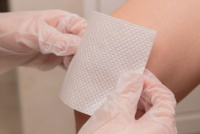
Too much dramatization can backfire. Smoke devices, simulated blood, or screaming may look amazing, but plenty of adults closed down under those problems and stop finding out. A high-quality first aid and CPR course produces just adequate time stress to simulate adrenaline, yet maintains mental security high. You must feel tested, not ambushed.
A tiny instance states a great deal. When educating EpiPen use, a self-displined trainer utilizes trainers initially, after that plainly labels the real gadget, validates no one has serious hatreds the ingredients, and maintains the live auto-injector in their pocket unless circumstance training needs it. This lionizes for tools and learners.
Feedback that specifies, kind, and timely
The distinction between helpful and useless comments is frequently a single sentence. Informing a student "great task" or "that was incorrect" does almost absolutely nothing. An effective first aid pro offers slim, workable correction within seconds: "Your deepness is a little superficial, go for a minimum of 5 centimeters," or "Let the upper body totally climb in between compressions, assume up-down with a tiny time out on top." They enjoy hands, joints, shoulder position, and body mechanics due to the fact that those noticeable cues drive results.
Instructors that appreciate your retention construct in spaced rep. They return to abilities later on, unannounced, and maintain the modifications short. The research on skill decay in CPR is clear: top quality decreases within months without method. A thoughtful trainer recognizes this and points you to a cpr refresher course schedule or micro-practice tips you can do in five minutes at home. I have seen teams elevate their typical compression fraction by 10 percent simply by committing to quarterly five-minute refresher courses around an AED cabinet.
Adaptability to different bodies, work, and contexts
First help is not one-size-fits-all. A fantastic trainer reads the space and adapts, whether the course includes childcare workers who require pediatric focus, stockroom teams with lifting injuries, or workplace teams that rarely leave a desk.
Adaptation shows up in little accommodations. For students with restricted upper body strength, they show a kneeling position closer to the individual's upper body and just how to use body weight a lot more successfully. For someone with a knee issue, they show how to pad the flooring or make use of a feces while preserving compression depth. For spiritual or social factors, some students may be reluctant to give rescue breaths. An inclusive teacher walks through compression-only CPR as a valid and effective alternative, backed by current guidance, without reproaching anyone.
This versatility also shows up in circumstance choice. Rather than a common fainting scene, a savvy teacher develops a storehouse situation with a loss from a pallet, training the class through scene safety, thought spinal safety measures, and triggering internal emergency situation procedures. Context makes retention easier.
Communication that lands under stress
Plain language is non-negotiable. When instructors claim "breast bone" and "xiphoid process" without equating to "center of the breast" and "stay clear of the bottom idea," newbies obtain shed. Lingo belongs, however quality defeats precision when showing lay responders. The appropriate trainer keeps the rhythm tight, utilizes brief sentences, and anchors critical numbers with sensory cues.
For CPR timing, they might utilize a metronome or a widely known tune at about 100 to 120 beats per min. For bleeding control, they show what "company, straight stress" appears like, consisting of just how white your knuckles must jump on a gauze roll. Learners remember what they can really feel and see.
Good communicators likewise ask targeted concerns to inspect understanding: "If you are alone and locate an unresponsive adult, what is the first point you do?" Then they stop long enough for someone to answer, and they normalize reluctance as part of learning.
Evidence of skills: qualification, alignment, and calibration
Credentials are not the entire tale, yet they matter. In most areas, reputable first aid courses align with nationwide or global criteria. Trainers need to be approved with acknowledged bodies and able to clarify how their first aid and CPR course maps to those guidelines. If you ask when the educational program was last upgraded and they address clearly, you are in excellent hands. If they shrug, think about one more provider.
Calibration divides specialists from hobbyists. The very best teachers run their courses with quantitative checks: they use manikins that determine compression deepness and price, they time reaction periods in situations, and they record successful ability presentations. This is not administration. It guarantees your first aid certificate represents actual ability, not simply attendance.
Professionals also understand the range of first aid. They are clear about when to stop and require advanced assistance. They show how to pass info to paramedics efficiently. They do not motivate interventions that go beyond ordinary training, and they fit claiming "I do not recognize, yet allow's learn."
The ideal balance of framework and flow
A strong first aid training day has a rhythm. You must notice an arc: early involvement, foundational abilities, scenario application, and a last debt consolidation. Within that arc, the trainer leaves room for the team's rate. If the course struggles with choking relief, they decrease and include one more round of practice. If students grasp bandaging promptly, they relocate on.
Rigid instructors push through a fixed slide deck no matter what learners need. The most effective ones use slides as motivates, not manuscripts. They lug backups for devices failings and can pivot from a power failure to hands-on drills without panic. Time management matters also. Absolutely nothing weakens retention like sprinting through AED first aid course in Subiaco usage in the last 5 mins. A specialist timetables barrier, then shields it.
An excellent indicator is how they take care of concerns. They maintain solutions brief, supply a concrete takeaway, and park complicated tangents for a break. Students entrust to clear mental checklists, not a haze of fascinating however unused facts.
Respect for students and their boundaries
People bring their history into a first aid course. Somebody in the space has lost a loved one to abrupt heart attack. Another fainted in public and still lugs the embarrassment. A respectful trainer understands when to press and when to hold constant. They look for authorization before role-play that entails touch, they provide opt-outs without penalty, and they make it clear that speaking up about pain becomes part of a safe understanding environment.

Respect likewise turns up in exactly how instructors proper mistakes. Public shaming has no area in training that aims to build confident responders. Private, concise coaching functions better. When praise occurs, it is specific: "Your hand placement stayed constant via all 30 compressions, that maintained the AED analysis tidy."
Scenario design that builds judgment
First aid is greater than muscular tissue memory. It is choosing well with incomplete information. The most effective instructors design scenarios that build judgment step by step. Early circumstances are straightforward: a less competent adult, an onlooker offered to call emergency solutions, an AED close by. Later scenarios add intricacy: a choking young child with a panicking parent, a bicyclist with a head injury and possible back participation, a co-worker with chest pain who rejects to stop working.
Each scenario ends with a quick debrief that asks three questions: what worked out, what would you change, and what information would have aided? The teacher overviews, yet lets learners speak initially. This representation locks in discovering and reveals dead spots. Gradually, trainees internalize priorities: scene safety and security, rapid analysis, call for help, act decisively within training, reassess.
Equipment experience, including limitations
Quality teachers know their devices totally and educate you to do the exact same. AEDs vary somewhat across models. Good training courses turn via at least two common types so you see various pad placements and voice prompts. For airway obstacles, they demonstrate pocket masks and face shields, then let you really feel the seal that actually makes breaths efficient. For bleeding control, they show both stretchable bandages and improvised alternatives when kits run out.
They additionally go over limitations. Not every work environment has a pediatric AED secret. Not every first aid package consists of a tourniquet. Some AEDs keep after-event information that your organization should handle under personal privacy policies. Clear-eyed teachers flag these restraints and aid you prepare around them.
Cultural and lawful awareness
First aid and CPR courses run inside lawful and social structures. A well-prepared teacher can discuss Do-gooder defenses in your territory without veering right into lawful recommendations. They make responsibilities clear for designated initial aiders on shifts, occasion volunteers, or child care companies. If your team collaborates with prone populations, the teacher addresses consent and guarding directly, making use of language that appreciates self-respect while staying practical.
Cultural proficiency shows in small routines: utilizing people-first language, supplying instances that do not stereotype, and inviting students to share just how their communities take care of emergencies. The best courses feel neighborhood, not generic.
Energy management for lengthy days
A criterion first aid and CPR course can run four to eight hours. That is a long run if the teacher relies on slides and speeches. Try to find a person that varies intensity: a quick warm-up drill, a short story to reset attention, a hands-on station, a brief test game, after that back to situations. They take care of breaks tactically so learners return ready to relocate, not groggy from sugar and caffeine.
Good energy management converts directly to better end results. In courses that pace well, you see fewer careless compressions in the last skill test. Fatigued learners cut corners, and corners in first aid become errors. Specialist trainers know when to stop a drill, rest wrists and shoulders, and then return to with quality.
Clear pathways for recurring competence
First aid skills fade, and every person in the industry knows it. What separates a strong trainer from a fantastic one is how they establish you up after the course. They provide a simple strategy: schedule tips for a cpr refresher course in twelve month if called for by your function, micro-practice prompts you can run during team gathers, web links to reputable video clips that align with your certification provider's standards, and a note about upcoming guideline updates.
Great instructors additionally welcome comments and remain reachable. If a learner emails a week later on with an inquiry about child choking procedure, they address or indicate the right resource. Some suppliers host short open-practice sessions where graduates can drop in and run two skills with mentoring. That sort of connection keeps real-world readiness high.
Signs you have found the ideal instructor
Use the following fast check when selecting among first aid courses or a CPR course service provider. If a lot of products ring true during your very first conversation or demonstration session, you likely have a good match.
- They explain how they show, not just what they show, and can discuss adaptations for your setting. They construct hands-on time into every major topic and use feedback devices for CPR quality. Their language appears, their tales have an objective, and their improvements are specific. They welcome questions, respect borders, and outline clear following actions for preserving skills. Their placement with recognized guidelines is existing, and they can show calibration in assessments.
Questions to ask before you book
A short, considerate conversation with a potential teacher will inform you greater than a brochure. Take into consideration asking:
- How do you framework method versus lecture time in a common first aid and CPR course? What devices do you make use of for CPR training, and do manikins supply online feedback on deepness and rate? How do you adjust first aid training for our setting and roles? When were your training products last updated to reflect guidelines, and exactly how do you manage changes? What does the evaluation appear like, and what takes place if somebody battles to satisfy the standard?
Notice how each inquiry probes for technique, not hype. The responses expose whether you are handling an entertainer or a teacher.
The edge cases that expose expertise
Anyone can run a smooth class when whatever goes right. The enlightening minutes come when it does not. A learner worries throughout a choking drill and begins to cry. The AED instructor battery passes away. The place's floor is also hard for knee-based practice, and half the class begins shifting uncomfortably. In these minutes, expert trainers maintain the room consistent. They stop the drill, normalize the reaction, and use a various function. They switch devices without hassle, or they readjust the plan and transform it into a teachable point about improvisation and resilience.
I once trained a group of caretakers in a facility where power went out midway. We relocated the manikins near the home windows, made use of a phone metronome for compressions, and ran much shorter terminals to save energy. Students later on said that low-tech session really felt closer to a real emergency situation than the polished version. That is the heart of great first aid guideline: confidence that survives incomplete conditions.
How carriers set apart: what to try to find beyond the instructor
A solid instructor often functions within a strong system. If you are reviewing providers, whether neighborhood neighborhood companies or nationwide brand names, pay attention to the scaffolding around the class.
- Course layout: Does the program series topics for retention, not simply coverage? Equipment high quality: Exist enough manikins for small teams, AED trainers that mirror regional devices, and clean, full first aid packages for practice? Administrative support: Is certification delivered immediately and digitally, with clear revival timelines? Inclusivity: Do they use options for learners with disabilities, language support, or different assessments when appropriate? Post-course support: Are refresher course options, short technique motivates, or upgrade notifications component of the package?
Names matter less than execution. Whether you train with a huge company or a shop first aid pro, the very same concepts apply.
What learners can do to take advantage of a course
Instructor quality matters, and so does your prep work. Consume, moisten, and put on garments you can kneel in. Show up willing to exercise aloud. If you have previous experiences that might make certain drills hard, tell the trainer independently first aid course in Gympie prior to course. Bring a little notepad and take down 3 points you wish to remember for the following year. After class, timetable a five-minute testimonial monthly: 10 compressions, 2 breaths on a pillow with a metronome application, or a psychological review of the choking procedure during your commute. Small behaviors keep the pathways fresh.
The payback: confidence that travels
A terrific first aid and CPR course does greater than inspect a compliance box. It alters just how you relocate via public areas. You begin seeing AED cabinets, scanning for departures, and washing your hands with function. You can relax an area, assign jobs, and get high-quality compressions started while help is on the method. That steadiness spreads. Groups that train well together handle genuine cases with less mayhem and even more care.
At some factor, you may meet the moment for which you trained. An associate sags at a desk. A kid coughs, then goes silent. A stranger falls down near a fitness center treadmill. When that takes place, you will certainly not remember every slide. You will certainly bear in mind the teacher who kept your elbow joints straight, who made you practice up until the beeps aligned, that valued your pace and still pressed you to competence. That is what makes a fantastic first aid instructor: someone whose training stays with you when the area goes quiet and the work begins.